




Estes Express Lines, a less-than-truckload (LTL) carrier, has cut its freight damage claims by close to 80% compared with a decade ago, President and Chief Operating Officer Webb Estes told Trucking Dive in an interview published on August 24. The carrier used to pay $30 million a year in damage claims, according to the report. In 2025 that figure fell to $14 million.
Estes credited a revamped bonus program that rewards employees for handling freight without damage. Claims bonuses paid to employees totaled $11 million in 2025, and Webb Estes said his goal for this year is to pay out more in claims bonuses to the company’s people than in claims to its customers, adding that it will be close. He also pointed to a more stable workforce: driver turnover is under 10%, and dock worker turnover has dropped by more than 65% from its peak in 2022.
Estes is not alone. Trucking Dive noted that Old Dominion Freight Line reported a claims ratio of 0.1% for the second quarter and that XPO’s ratio fell below 0.2%, a quarterly record for that carrier. A claims ratio compares what a carrier pays out for loss and damage with its revenue, so these are small numbers at each of these LTL carriers.
What it means for shippers
- Ask about claims performance when you choose a carrier. Carriers now compete on damage rates and publish them. A claims ratio is a fair question to put to any carrier or broker, next to price and transit time.
- Low is not zero. LTL freight is handled several times between pickup and delivery, moving across docks and between trailers. Furniture, fixtures, electronics, artwork and uncrated machinery remain exposed even on a well-run network.
- Packaging is still the shipper’s job. Sturdy pallets, corner protection, stretch wrap and clear handling labels do more to prevent damage than any claim form does to repair it.
- Inspect at delivery. Note visible damage or shortages on the delivery receipt before signing, take photos and keep the packaging. Carriers set deadlines for filing claims; check them with your carrier or broker.
- Match the service to the freight. High-value or fragile pieces that cannot be crated are often better moved on a dedicated truck with padded protection and fewer handoffs than through a terminal network.
The figures above are the carriers’ own, as reported by Trucking Dive, and each company measures claims in its own way. They show the direction clearly enough: damage in LTL is falling, and shippers can reasonably expect carriers to talk about it.
Go Trucking Services offers white glove and blanket wrap service for freight that needs extra care, along with LTL and FTL land transport. Request a quote on the home page.
Sources:
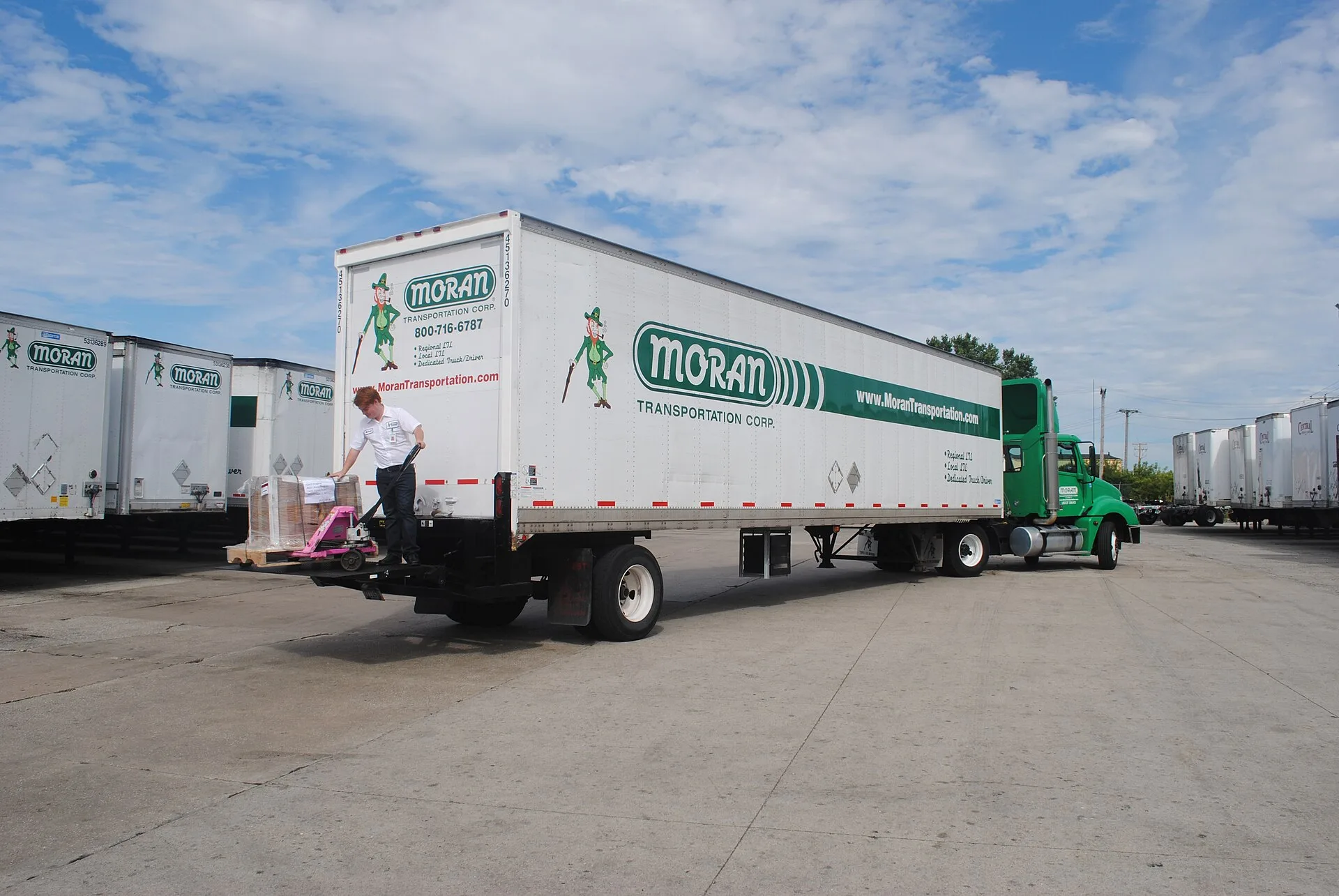
Image: Bobyellow, via Wikimedia Commons (CC BY-SA 4.0).