







The American Trucking Associations said on September 22, 2026, that its seasonally adjusted For-Hire Truck Tonnage Index decreased 0.5% in August after falling 1.2% in July. The index equaled 112.7 (2015 = 100), down from 113.3 in July and 1.6% below August 2025. Year to date, tonnage is still up 1% compared with the same period in 2025, which ATA attributes to strong year-over-year gains from February through April.
“The truck market has certainly flipped this year, but recent tonnage levels confirm this is due to reduced capacity, not robust demand,” said ATA Chief Economist Bob Costello. He noted that tonnage has fallen in four of the last five months, is 4.3% below its recent peak in March, and has been below year-earlier levels in three of the last four months. Because of the constraints on supply, he added, the market is nonetheless generally better.
Rate data show what that means for freight buyers. The Cass Truckload Linehaul Index, which tracks per-mile truckload rates before fuel, rose to 153.9 in August, up 0.7% from July and 11.3% from a year earlier, according to the Cass report for August written by Tim Denoyer of ACT Research. Total freight expenditures in the Cass index were about 19% higher than in August 2025. On volume, Cass differs from ATA: its shipments measure rose 2.1% year over year, the first annual gain since January 2023. The report says new regulations and broker liability law have raised barriers to entry and will limit the industry’s ability to add capacity.
Fuel has added to the bill. The Energy Information Administration’s weekly U.S. diesel average reached $6.529 a gallon on September 21, up from $4.578 on July 6. In California the average was $8.246.
What it means for shippers
- It costs more to move the same freight. Truckload linehaul rates are running about 11% above last year before fuel is added. Budgets and customer quotes based on 2025 freight costs need updating.
- Fuel surcharges are a second increase. Diesel is up almost $2 a gallon since early July. Check which weekly index your surcharge follows and what it adds per mile or per hundredweight.
- Capacity will not return quickly. Both ATA and Cass point to supply, not demand, as the cause. Do not plan on rates easing just because volumes are soft.
- Lead time is worth money. In a tight market, loads tendered a few days ahead are easier to cover than same-day requests. Share your fall shipping calendar with your carrier early.
- Recheck the mode. Compare LTL and FTL pricing on your regular lanes again. The break-even point between them moves when truckload rates and fuel both rise.
Go Trucking Services moves LTL and FTL freight locally in Greater Los Angeles and nationwide. See land transport or request a quote on the home page.
Sources:
- American Trucking Associations: ATA Truck Tonnage Index Fell 0.5% in August (September 22, 2026)
- Cass Information Systems: Cass Transportation Index Report, August 2026
- EIA, weekly U.S. No. 2 diesel retail prices
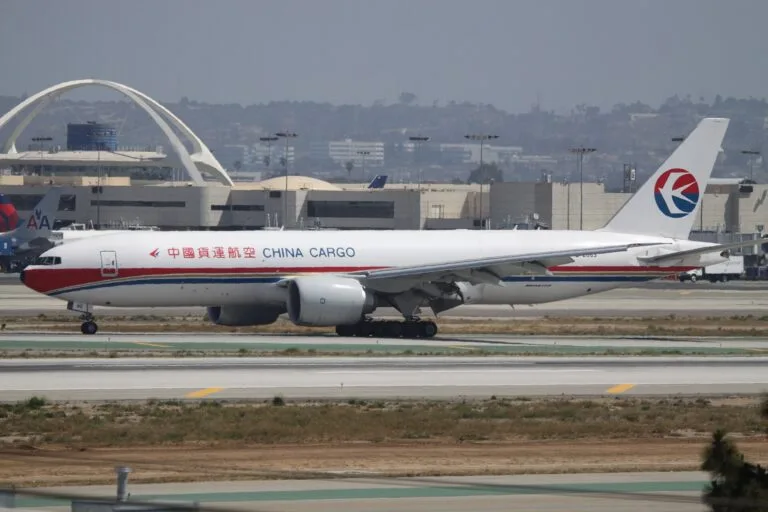
Image: Janusz Sobolewski, via Wikimedia Commons (CC BY 2.0).