


The Panama Canal Authority announced on Thursday, August 20, 2026, that it will reduce the number of ships allowed through the canal each day because rainfall in the canal watershed has been lower than expected. From September 3, the Neopanamax locks will offer nine daily transit slots and the older Panamax locks 25, a total of 34. On September 15 the Panamax locks drop to 23 slots, bringing the total to 32.
The authority said that despite the start of the rainy season and the water-saving measures already in place to offset the El Niño event, conditions in the watershed require additional action. In the same notice it postponed two reductions in the maximum draft for the Neopanamax locks that it had announced on August 5. The limit of 14.63 meters (48.0 feet), first scheduled for August 26, now applies from September 2, and the further cut to 14.48 meters (47.5 feet) moves from September 3 to October 1. Draft limits matter to shippers because a ship that must sit higher in the water can carry less cargo.
The slot auction also changes on September 3. Vessels will be grouped into four categories, one of which covers containerships and vehicle carriers, and Container News reported that fully laden containerships with the highest capacity will receive priority at the Neopanamax locks. Carriers have started to react: Drewry noted the same day that several lines have announced Panama Canal surcharges on Asia to U.S. East Coast and Asia to Gulf Coast routes, effective in September. Drewry’s Shanghai to New York spot rate rose 9% that week to $9,507 per 40-foot container, and capacity from Asia to the East Coast was down 9% month over month in August.
What it means for shippers
- East and Gulf Coast cargo is most exposed. All-water services from Asia to those coasts rely on the canal. Fewer slots and lower drafts can mean surcharges, longer transit times or cargo left behind when a ship has to load lighter.
- Ask about the surcharge before you book. Canal surcharges differ by carrier and start date. Have them itemized on quotes for September and October sailings.
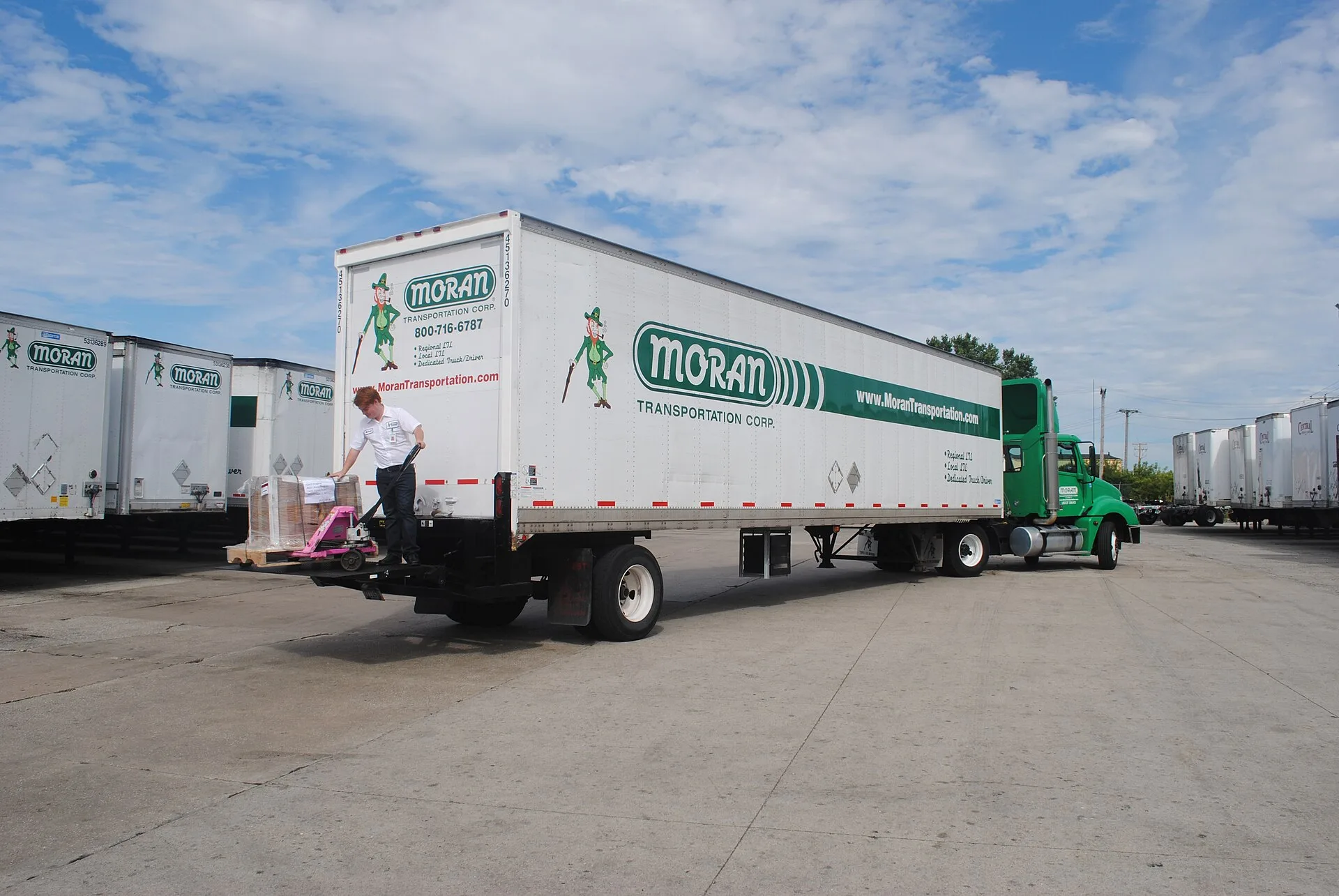
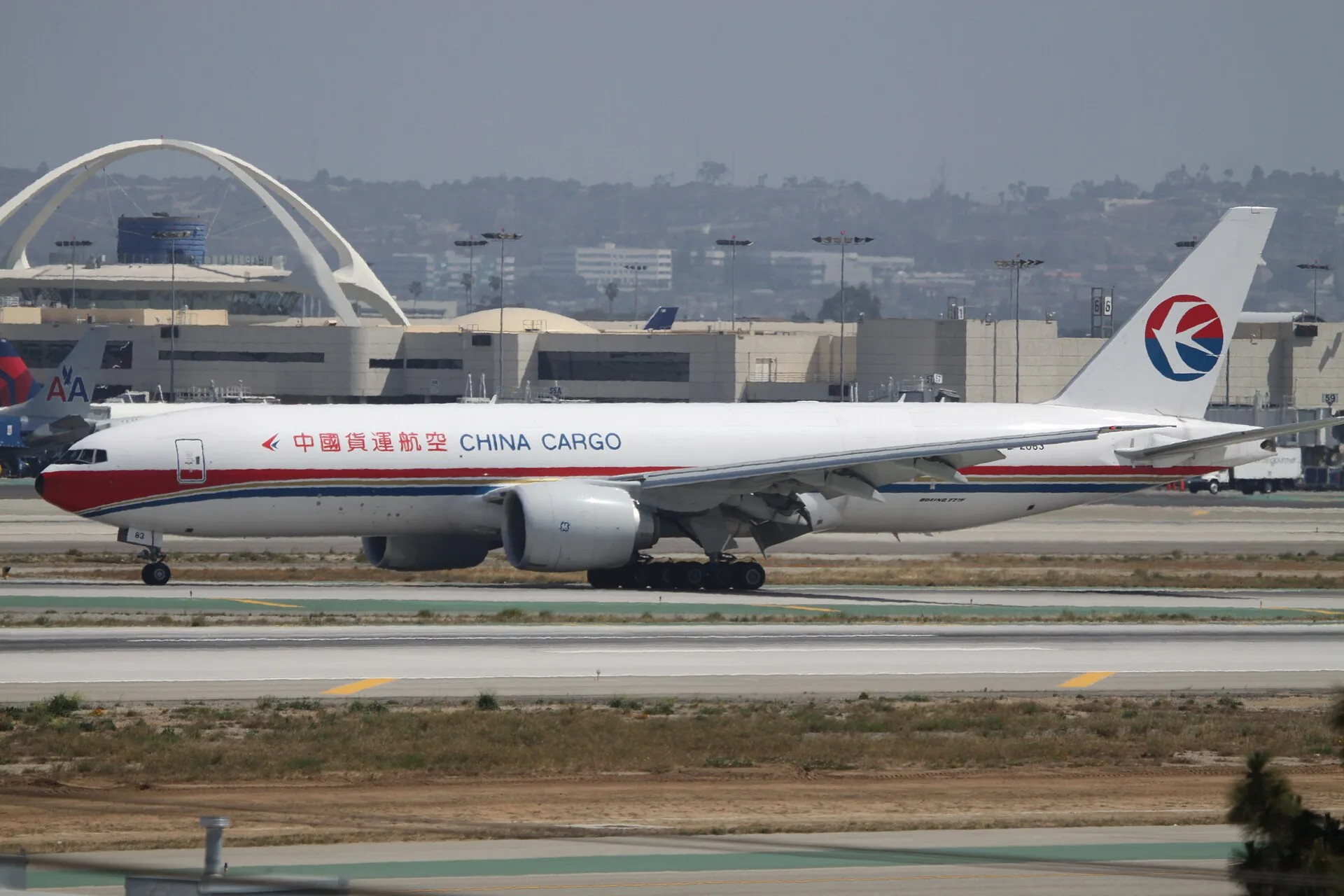
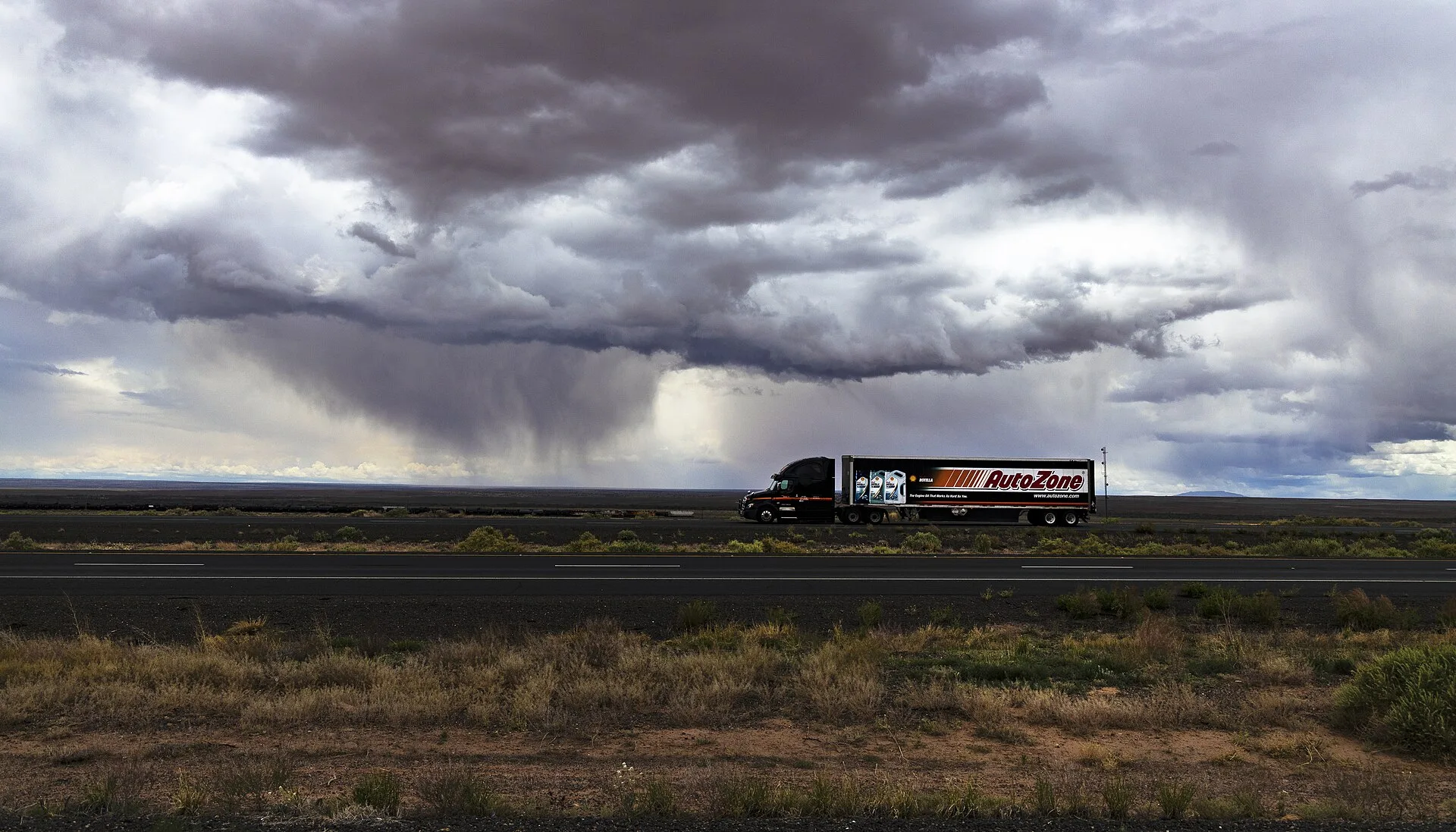
- Compare a West Coast routing. For some inland destinations, discharging at Los Angeles or Long Beach and moving the cargo by truck or rail avoids the canal altogether. Compare total cost and total transit time, not ocean freight alone.
- Watch the dates. The authority has already moved its draft schedule once and says it will keep monitoring rainfall and lake levels. Limits can be tightened or relaxed at short notice, so check the current position with your carrier close to sailing.
- Add buffer to delivery promises. For canal-routed cargo arriving in the fall, allow extra days in inventory and delivery plans.
Go Trucking Services handles ocean freight, drayage from the Los Angeles harbor and nationwide truckload and LTL delivery. See our ocean freight service and land transport service, or request a quote on the home page.
Sources:
- Panama Canal Authority: Panama Canal Adopts Additional Measures to Address Reduced Precipitation in the Canal Watershed
- Container News: Panama Canal cuts daily transit slots amid reduced rainfall
- MTS Insights: Drewry World Container Index, Week of August 20th
Image: David Brossard, via Wikimedia Commons (CC BY-SA 2.0).