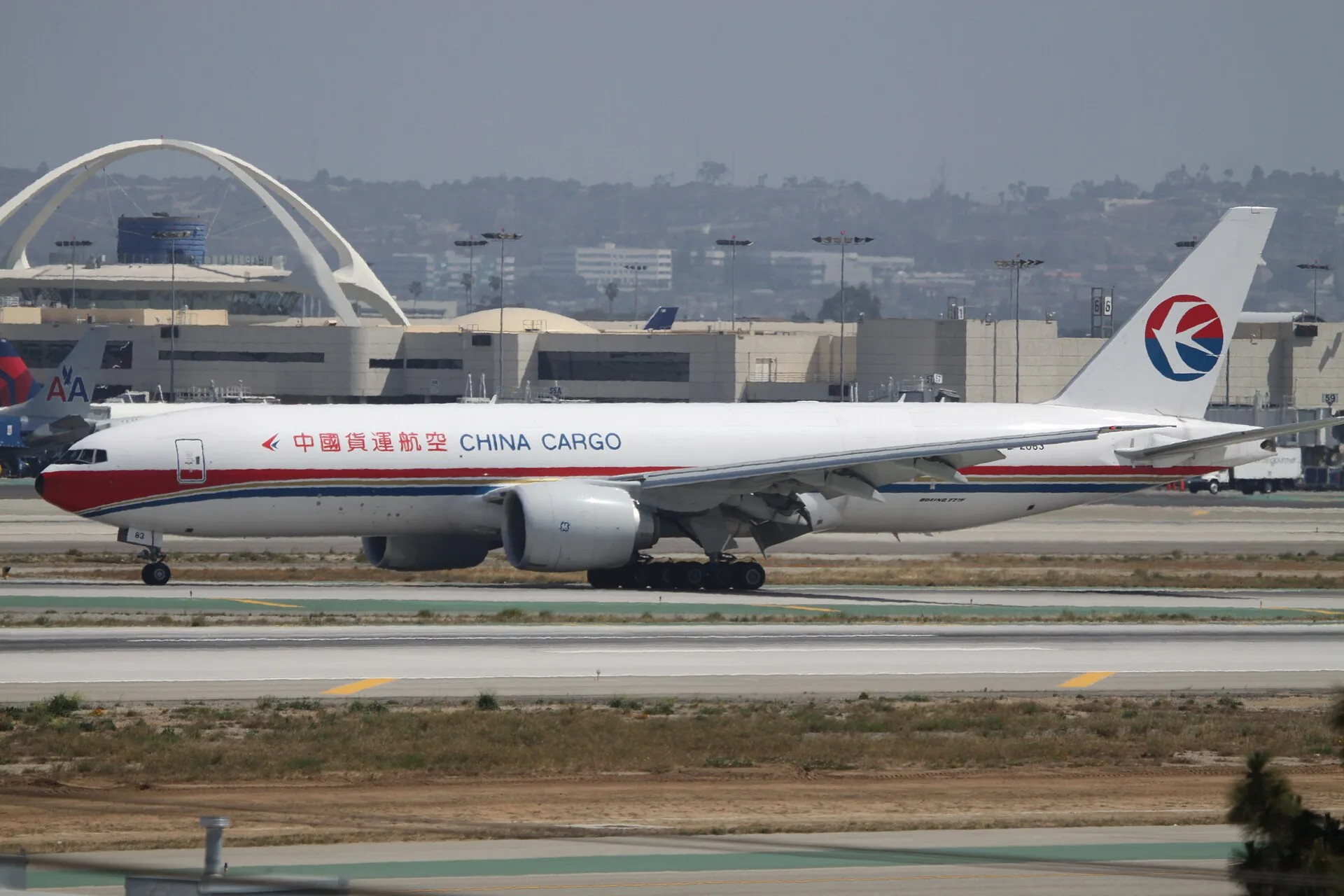





The two-week ceasefire between the United States and Iran announced earlier this week should bring some relief to air freight, but a full recovery of capacity could take months, data firm Xeneta said in comments reported by Air Cargo News on April 9, 2026. Xeneta expects rates and jet fuel prices to take a while to return to pre-conflict levels. Airlines need time to reset their operations, and airspace restrictions remain in place.
Xeneta’s chief airfreight officer, Niall van de Wouw, described the disruption as a supply problem from the start: once airlines add flights through Middle East airspace, pressure on the remaining capacity eases and rates should follow. He does not expect that to happen quickly. “Carriers will be in no rush to lower rates given the ceasefire is only temporary and the geopolitical situation remains uncertain,” he said. Insurers may still advise against transiting Middle East hubs, and Gulf carriers such as Emirates and Qatar Airways depend on passenger revenue to sustain the networks that carry belly cargo, so cargo capacity also depends on travelers coming back.
The figures show how far the market has to come back. According to Xeneta, spot rates are up 105% year on year from South Asia to Europe, 87% from Europe to the Middle East, 82% from South Asia to North America and 72% from Southeast Asia to Europe. In March, global air cargo demand fell 3% year on year while capacity was 6% lower than in March 2025, which lifted Xeneta’s dynamic load factor, its measure of how full aircraft are, to 65%. Separately, TAC Index reported that the global Baltic Air Freight Index rose 5.1% in the week to April 6 and stood 15.8% above a year earlier, with rates on the busiest lanes out of China, to Europe and the US, up almost 30% year on year. TAC said its sources do not anticipate a return to normal conditions any time soon.
What it means for shippers
- Do not budget for a quick drop. Both Xeneta and TAC Index expect elevated air rates to outlast the ceasefire, and the increases reach lanes into North America.
- Ask how fuel is charged. Jet fuel prices are also expected to take time to reset, so check with your forwarder how the fuel surcharge is set and how long a quote stays valid.
- Leave room in the schedule. While airlines rebuild their networks, routings and arrival dates can change. Confirm that the flight has landed and the freight is released and available before sending a truck to the airline terminal or container freight station (CFS).
- Keep air for what needs it. With spot rates this high, separate truly urgent freight from cargo that can move by ocean, and ask your forwarder or carrier to price both.
Go Trucking Services handles air freight and LAX CFS pickup and delivery for shippers in Greater Los Angeles — see Air Freight and Drayage, or request a quote on the home page.
Sources:
- Air Cargo News: Airfreight recovery could take months after US-Iran ceasefire
- Air Cargo News: Rates remain elevated and return to normal not expected soon
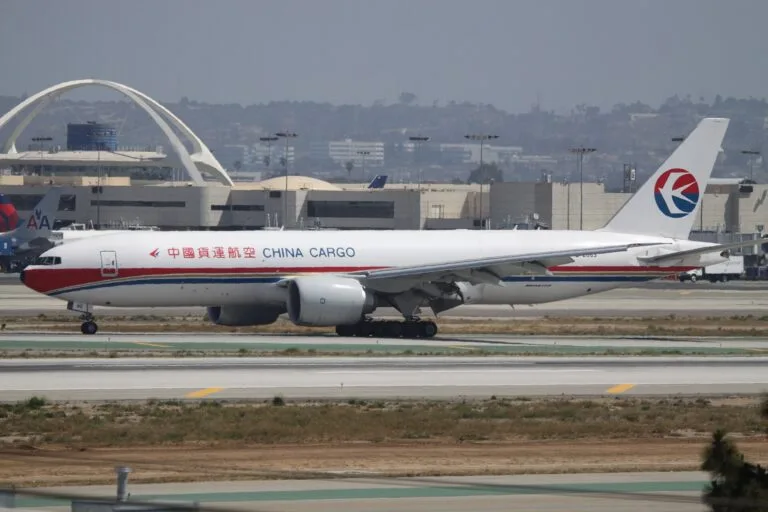
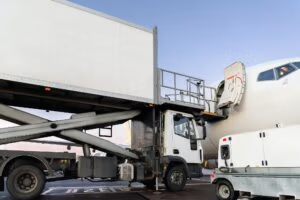
Image: Glenn Beltz, via Wikimedia Commons (CC BY 4.0).