








The National Motor Freight Traffic Association (NMFTA), which publishes the National Motor Freight Classification (NMFC) that less-than-truckload (LTL) carriers use to class freight, is proposing to rewrite the rule for pallets that hold more than one kind of product. The change is Subject 1 of Freight Classification Docket 2026-2 and would amend Item (Rule) 640, “Mixed Shipments and Articles Classified by Weight or Quantity.” Trucking Dive reported on September 10 that comments are due by 5 p.m. Eastern time on September 23, that a public meeting is set for September 29, and that a decision could be finalized on October 9.
Under the present rule, a pallet carrying differently classed articles is generally charged at the class of the highest-classed article on it, unless the shipper itemizes each article and its weight on the bill of lading and meets a list of other conditions. The proposal replaces that with a density approach. When a shipment contains articles in two or more classes, the bill of lading would have to list each article separately, and each handling unit would be classed on the classification’s 13-step density scale.
The proposed text says a shipper’s weight and dimensions for each handling unit would be used to calculate density, pending carrier verification. Where the original bill of lading lacks accurate information, the carrier could calculate density at its discretion, either on the total weight and cube of the whole shipment or unit by unit, and would have to notify all parties. One exception remains: a unit containing an article marked with certain classification symbols, or one classed by packaging, greatest dimension or another factor besides density, would still take the highest class on the unit.
Kevin Brink, vice president of LTL solutions at Kuehne+Nagel, told Trucking Dive: “They’re trying to drive more towards uniformity and more towards removing the ambiguity out of the system.” He said the revision would bring the mixed-freight rule into line with the July 2025 classification overhaul, which moved thousands of items toward density-based classes.
What it means for shippers
- Measure every pallet. If the proposal is adopted, weight and dimensions for each handling unit become the basis of the rate on mixed pallets. Record length, width, height and weight at the dock and put them on the bill of lading.
- List what is on the pallet. The proposed wording requires each article to be specified separately when a shipment mixes classes.
- Incomplete paperwork hands the decision to the carrier. Without accurate information, the carrier chooses how density is calculated, and the result may not favor the shipper.
- Nothing is final yet. This is a proposal. Shippers who want to comment can do so through the NMFTA before the deadline, and should check with their carrier or broker before changing how they rate freight.
Go Trucking Services handles LTL and FTL land transport locally in Greater Los Angeles and nationwide. See land transport or request a quote on the home page.
Sources:
- NMFTA: Freight Classification Docket 2026-2, Subject 1 (PDF)
- Trucking Dive: LTL mixed-freight rule updates could bring more uniformity, exec says
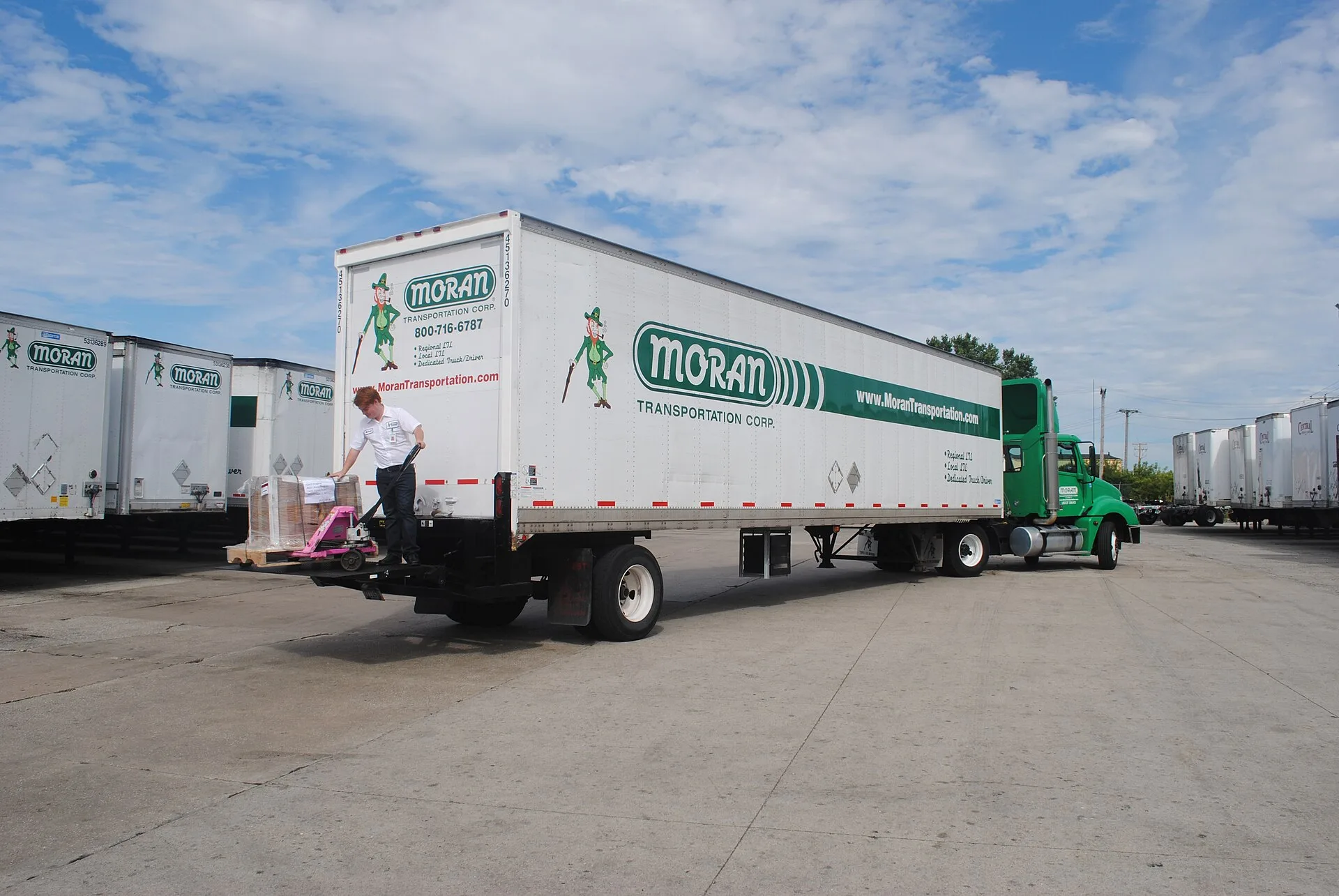
Image: Leo “Jace” Anderson / FEMA, via Wikimedia Commons (public domain).